Combat-Worn: Lambert Friederich’s M1 Helmet
by Aidan Sigmund
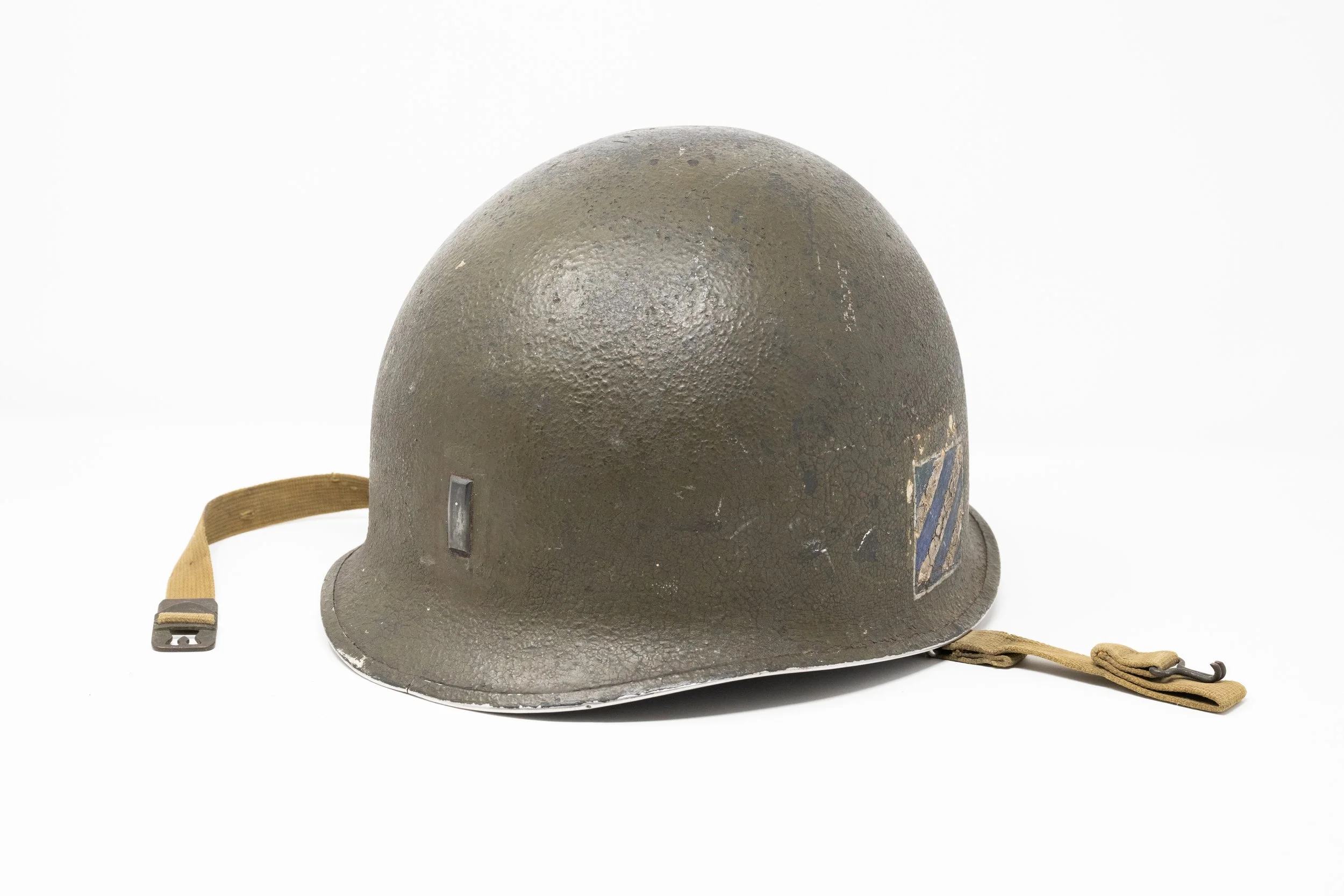
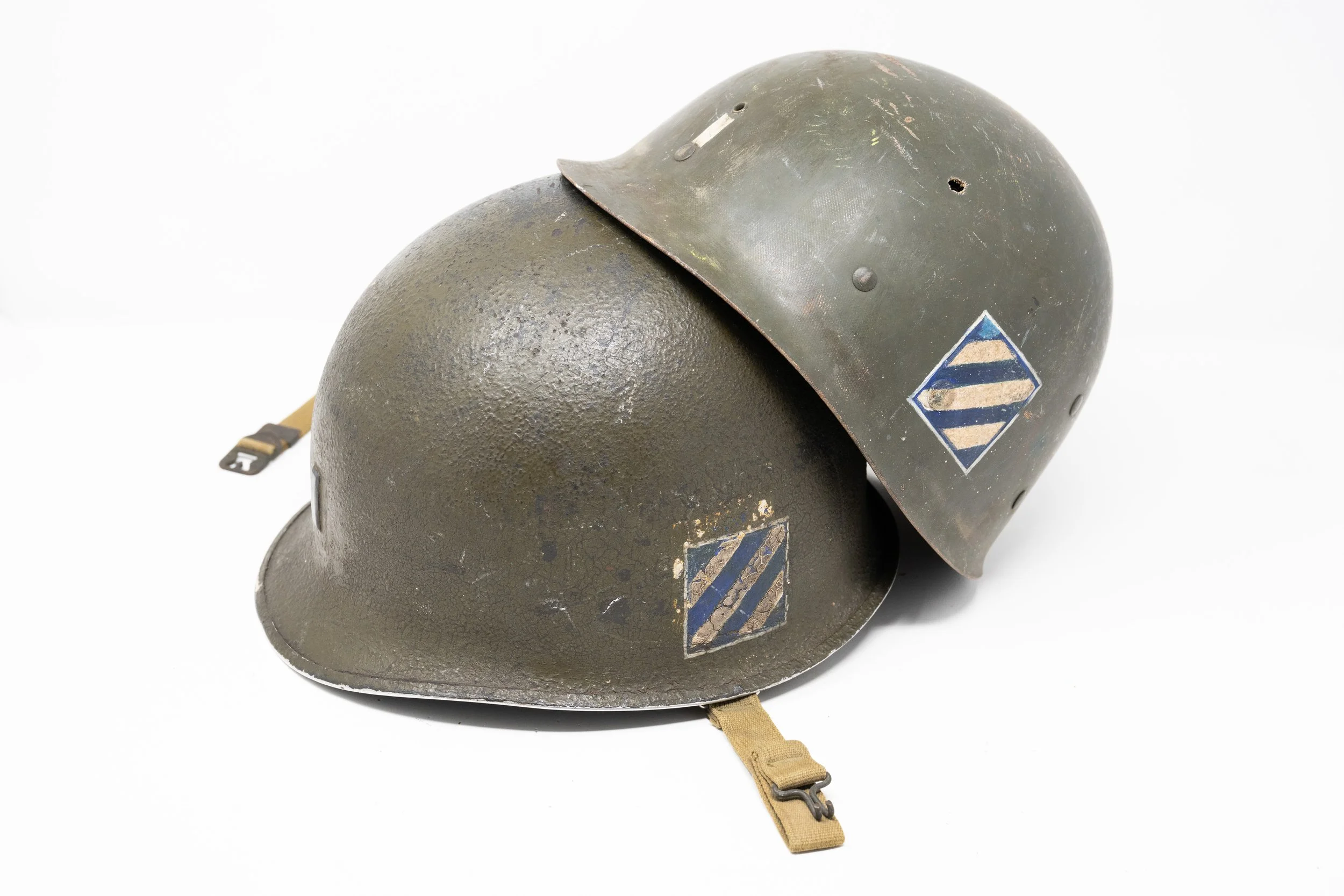
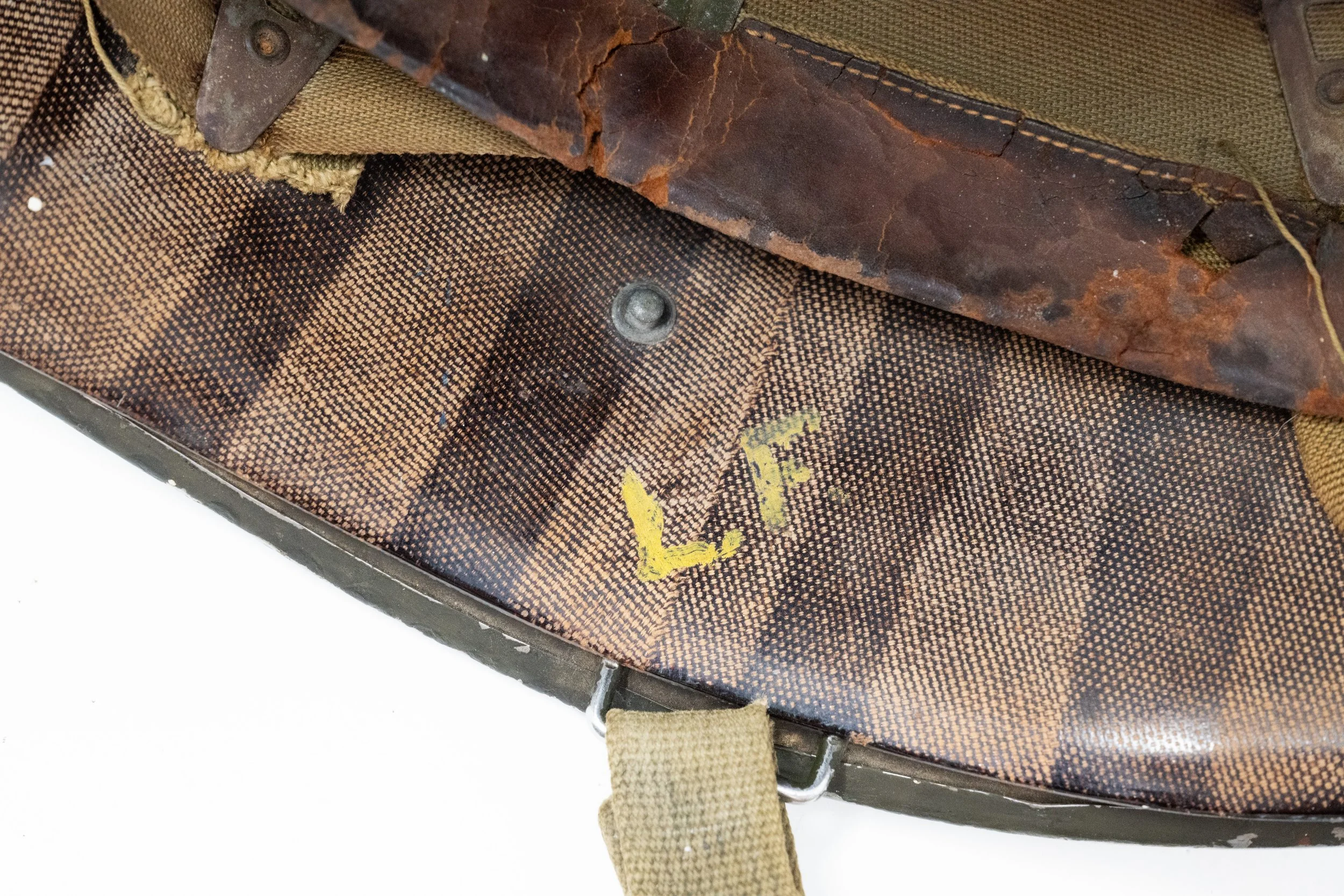
The WWII Veterans History Project recently acquired an original M1 helmet worn by Lambert P. Friederich, who served with E Company, 30th Infantry Regiment, 3rd Infantry Division. Carried through wartime service and preserved for more than eight decades, the helmet represents a rare surviving example of combat-used gear. We are deeply grateful to Kathy Godwin, Friederich’s daughter, for entrusting us with this historically significant artifact.
Lambert P. Friederich was born September 18, 1922, in Brooklyn, New York, to Lambert A. and Nellie C. Friederich. During World War I, Friederich’s father served in France with Machine Truck Park Unit #318, and was honorably discharged as a Sergeant in 1919. Early in Friederich’s life, his family moved to Tampa, Florida, and settled in the Palma Ceia neighborhood. Graduating from H.B. Plant High School in 1940, he enrolled into the University of Florida and was a member of the Reserve Officers’ Training Corps, being appointed their band commander.
In early 1943, Friederich graduated mid-term in order to attend Officer Candidate School (OCS) at Fort Benning, Georgia. On June 2, 1943, he completed his OCS training courses and was commissioned as a 2nd Lieutenant in the US Army. He remained stateside through the summer of 1944 and was attached to the 261st Infantry Regiment at Camp Shelby, Mississippi. By June 14, Friederich was transferred out of the 261st, alongside a number of his comrades, in order to bolster the strength of units that had suffered heavy losses in the European Theater.
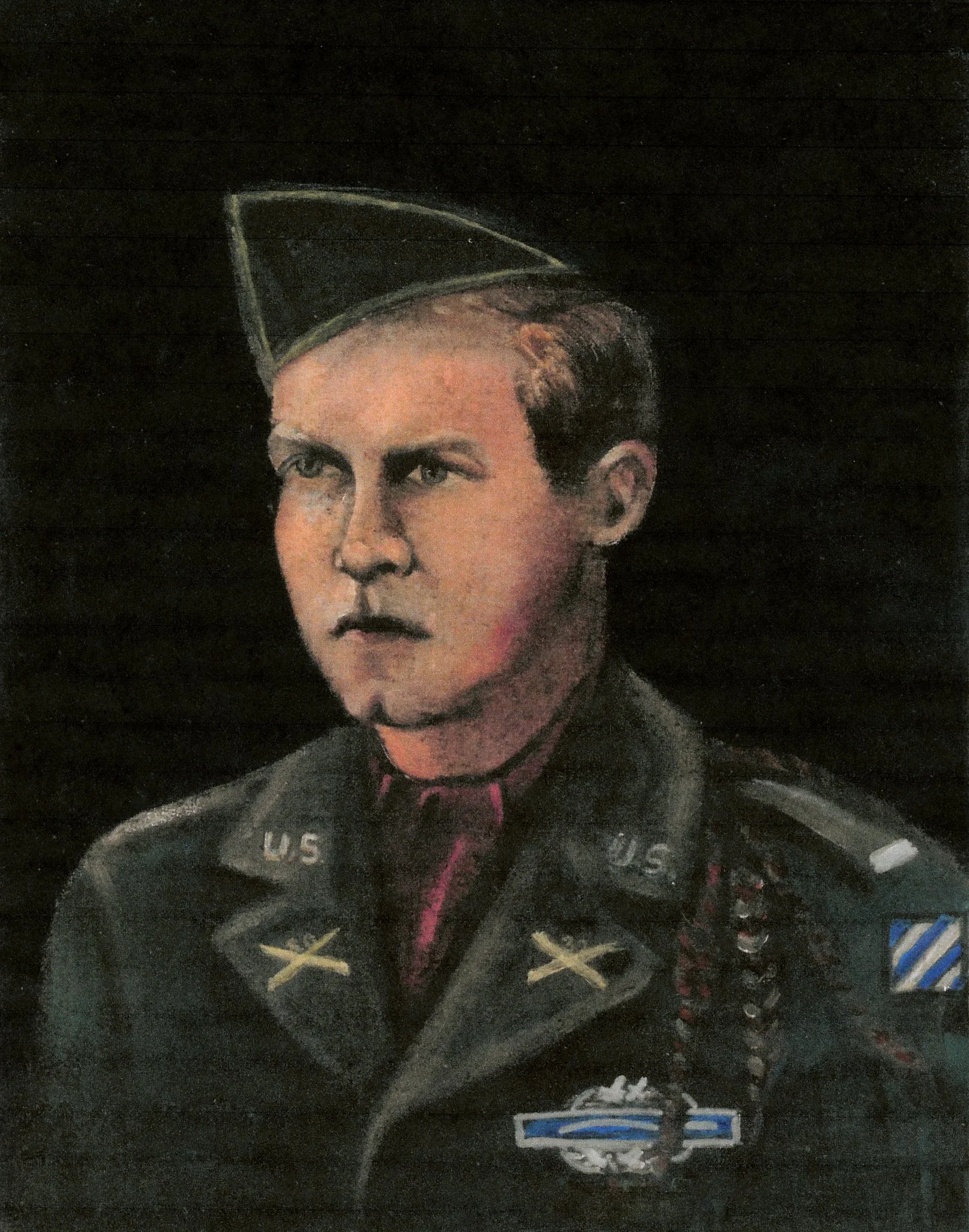
Painted by a liberated concentration camp inmate in 1945, this portrait depicts Lambert Friederich as a 1st Lieutenant in the 30th Infantry Regiment, 3rd Infantry Division.
Departing from the United States for England on July 2, 1944, he remained in replacement depots awaiting a unit assignment until that autumn. On November 14, 1944, Friederich reported for duty with the 3rd Infantry Division and was assigned to Company E of the 30th Infantry Regiment. When he arrived, he was met by men who were enjoying their first rest in several months following a brutal campaign in the Vosges Mountains. A few days later, Friederich saw combat for the first time when the 30th Infantry Regiment crossed the Meurthe River and began to drive through Northern France, pushing the Germans back towards the Rhine. In early December of 1944, Friederich and his company were tasked with capturing Fort de Mutzig on the Maginot Line. They succeeded by loading a captured German vehicle with TNT and driving it up to the fort before detonating it with mortar fire, successfully blowing open the enemy position and forcing its defenders to surrender.
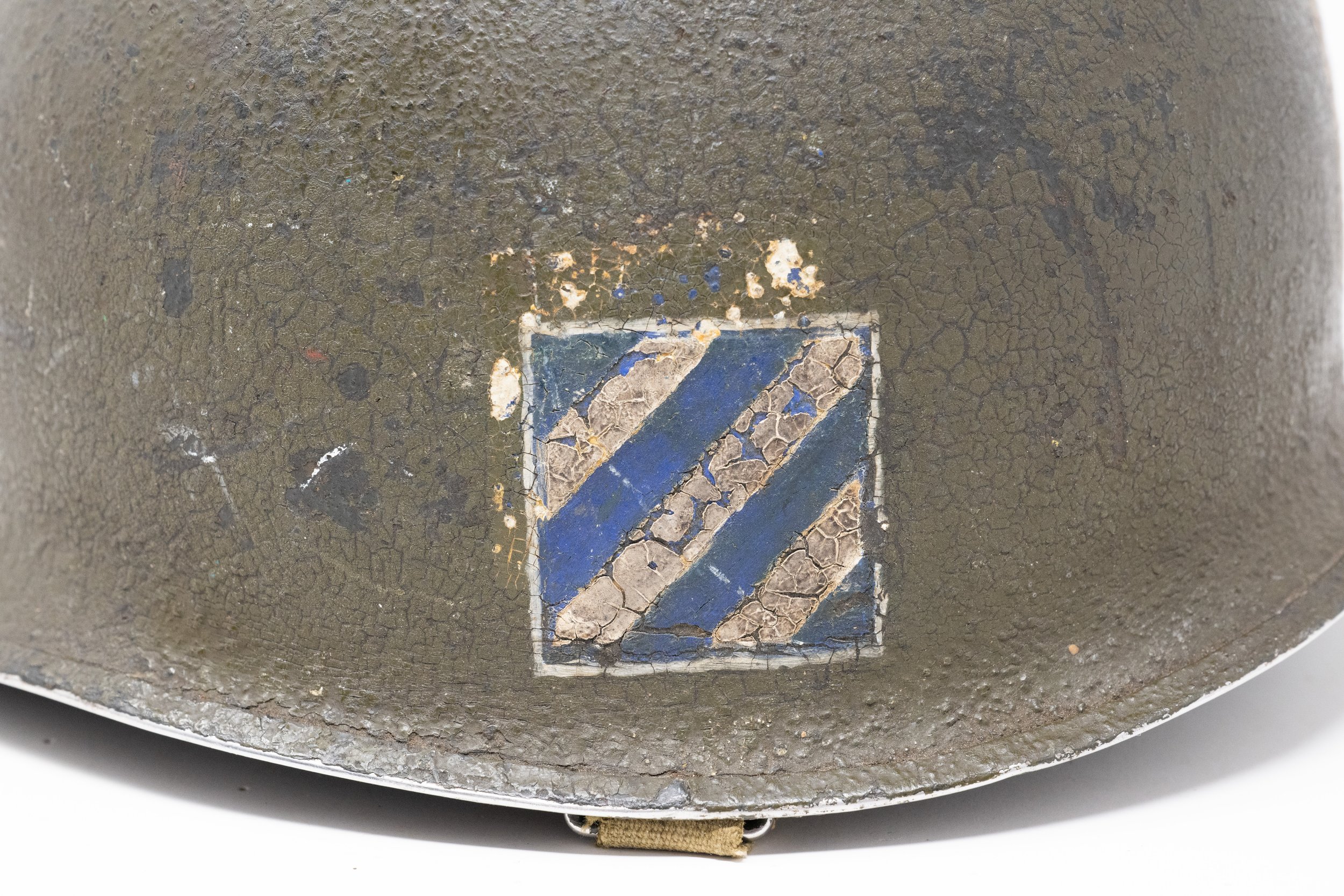
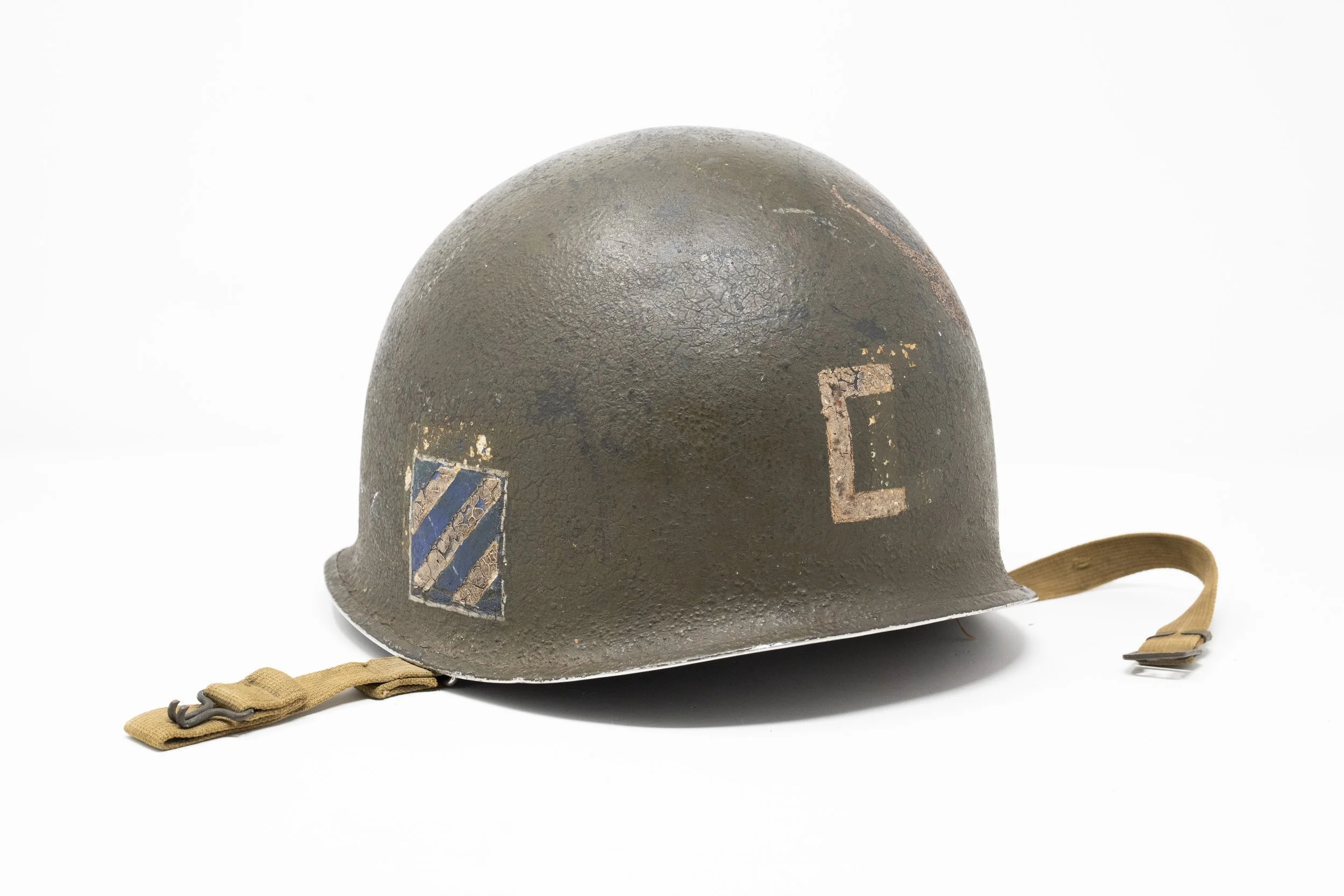
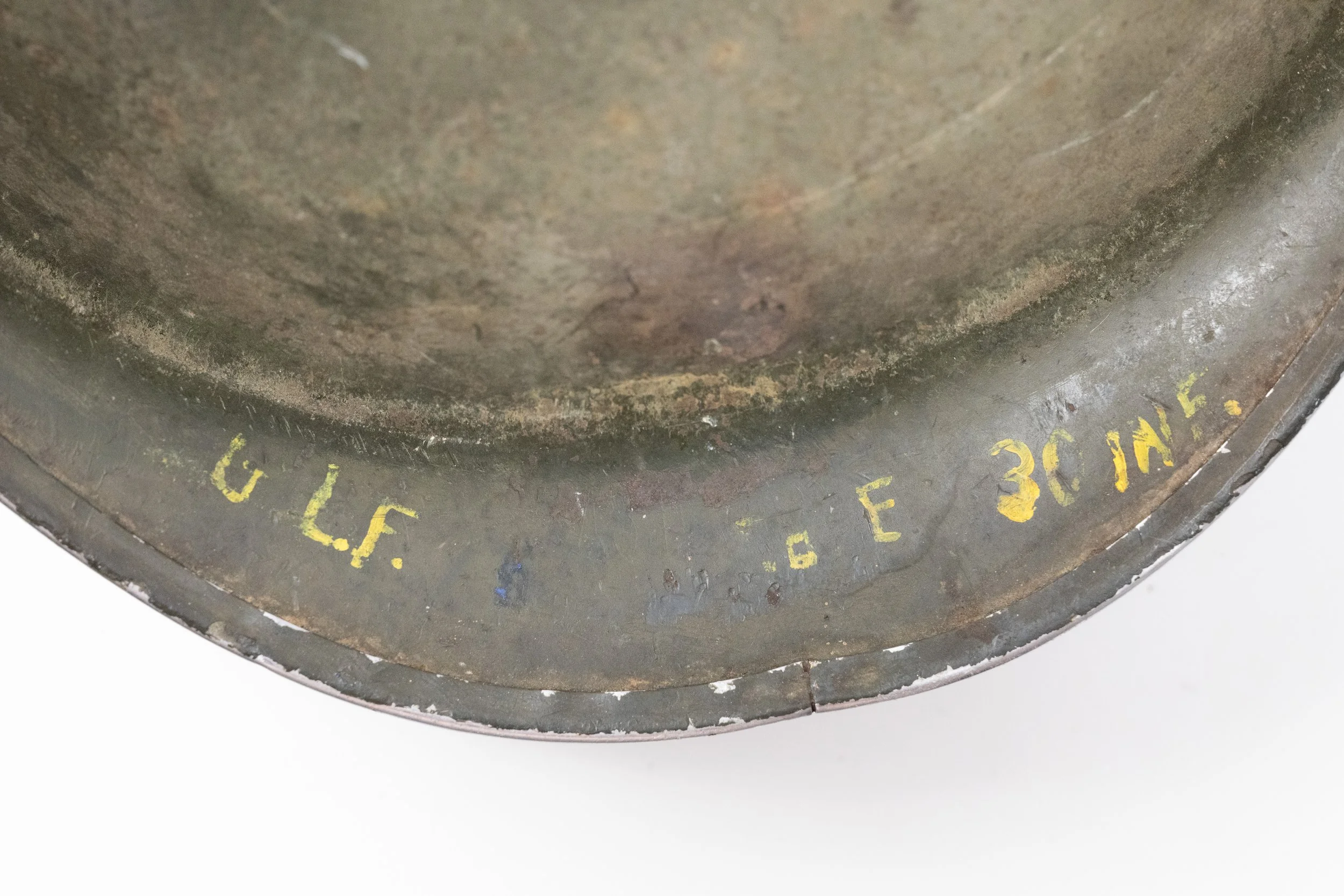
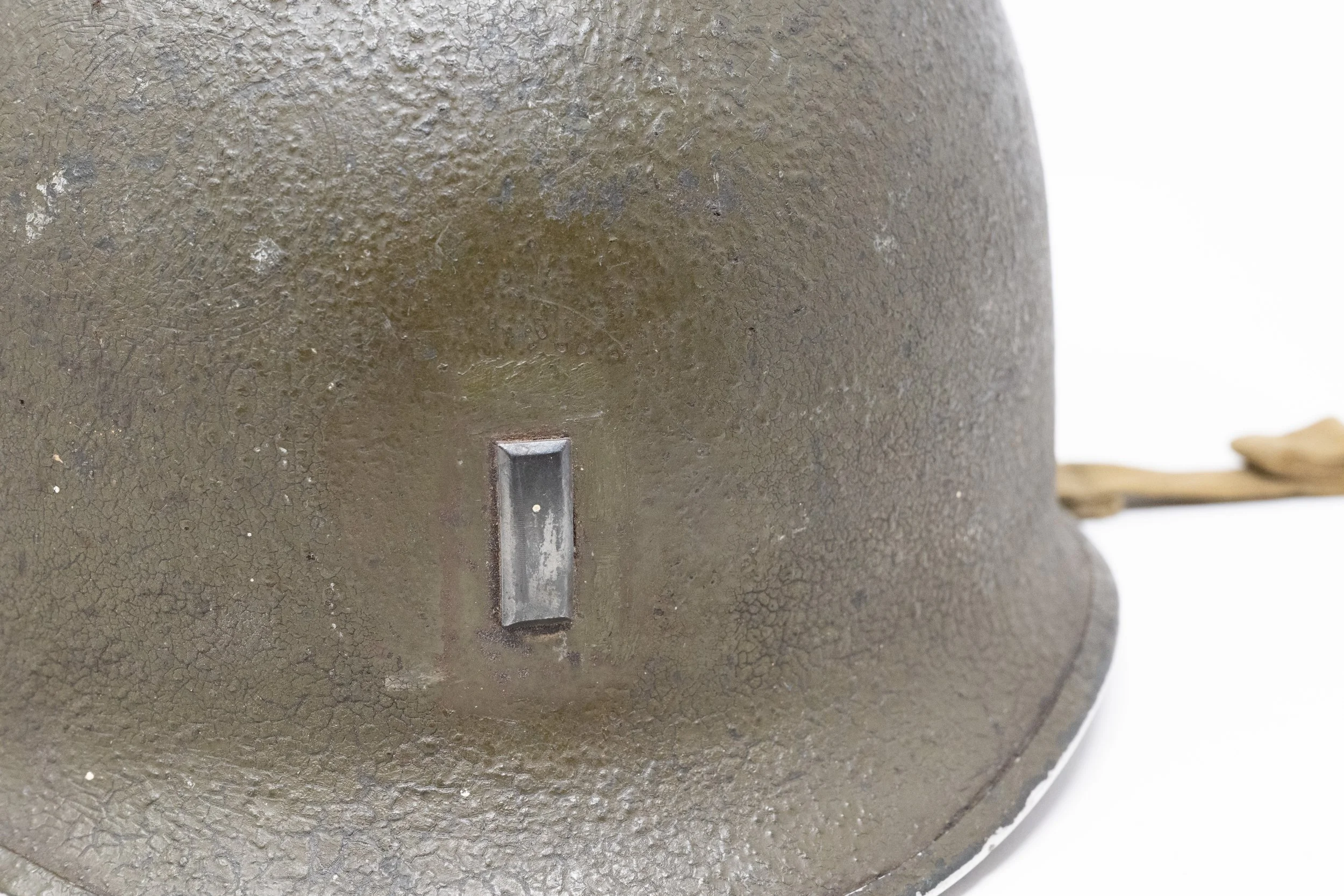
Shortly after, the 3rd Infantry Division was directed towards the Colmar Pocket in Alsace, France, entering combat on December 15, 1944. Heavy fighting continued in this region until early 1945. On January 23, 1945, Friederich’s battalion made another river crossing and advanced into the Bois de Riedwihr, a vast forest in the northern sector of the Colmar Pocket, lying between the heavily fortified villages of Riedwihr and Holtzwihr. It was during this action that Friederich was struck in the left ankle by shrapnel from an artillery shell. Luckily, this wound was not severe, and he returned to his unit shortly thereafter. The 30th Infantry Regiment continued their fight through Colmar until February 19, 1945, when they were relieved by elements of the French army.
Following their success in the Colmar Pocket, the 3rd Infantry Division was given a well-deserved rest before facing one of their toughest challenges yet. On March 19, 1945, Friederich’s regiment headed the assault through the Siegfried Line on the French-German border. Clearing a number of fortified bunkers, they captured the town of Ixheim, where Friederich’s company helped defend his battalion’s exposed flank. On March 26, they crossed the Rhine River, and on the following day, captured the town of Heppenheim, where hundreds of American prisoners of war were liberated.
A month later, Friederich’s unit became the first in the 3rd Infantry Division to enter Nuremberg's inner city, linking up with elements of the 7th Army that had been assaulting the city from the other direction. After an advance into Munich, Friederich’s unit was directed to seize the town of Salzburg, Austria, which they accomplished by May 5th. Just two days later, word came down that the German high command had signed a letter of unconditional surrender, and thus the war in Europe came to an end.
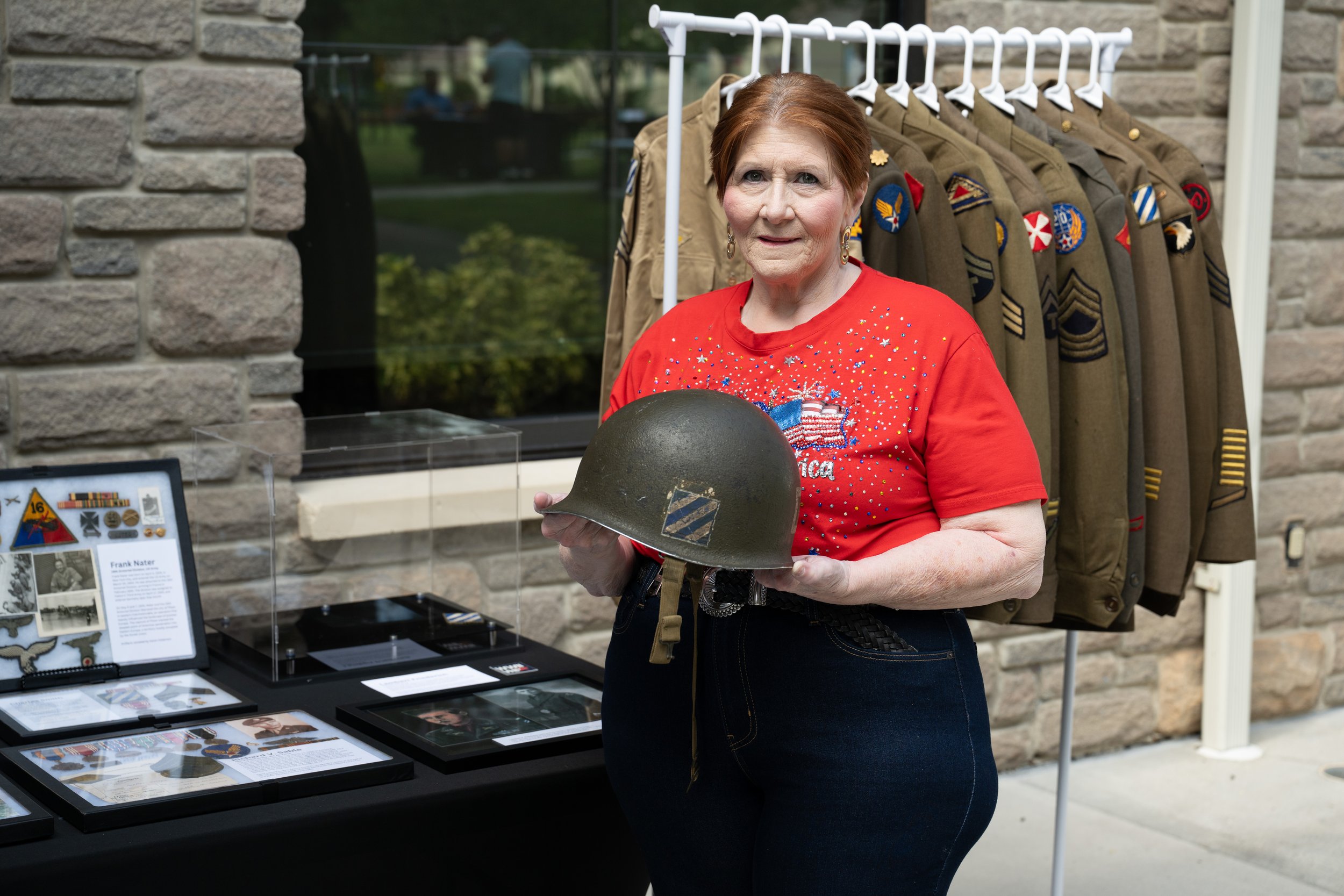
Kathy Godwin, Friederich’s daughter, holds her father’s M1 helmet, which she donated to the WWII Veterans History Project. The artifact is now part of our traveling museum exhibitions and permanent collection, helping to lay the groundwork for a future brick-and-mortar museum.
Following VE Day, Friederich was placed on occupation duty and transferred out of the 3rd Infantry Division. He was assigned to Company L of the 232nd Infantry Regiment, 42nd Infantry Division, and eventually returned to the United States on June 18, 1946. Following the war, he joined the Florida Army National Guard and would eventually attain the rank of Colonel, retiring during the Cold War.